Digital Marketing Guide for Beginners: How to Get Started and Grow Online

Digital marketing is one of the most effective ways for businesses, entrepreneurs, and individuals to reach potential customers. If you have a small business, run an online shop, or aim to build a personal brand, understanding the basic principles of digital marketing can help you attract the right audience and increase sales.
You don’t need marketing expertise to get started; by adopting the right strategy, using the right tools, and putting in consistent effort, beginners can build a strong online presence. This section of the digital marketing guide outlines the key strategies you need to know.
What Is Digital Marketing?
Digital marketing refers to promoting products, services, or brands via the internet; unlike traditional advertising, it lets companies target specific groups, track the effectiveness of their ads, and adjust their campaigns based on the results.
Common digital marketing channels include:
- Search engines such as Google
- Social media platforms
- Email marketing
- Websites and blogs
- Online advertising
- Video marketing
- Content marketing
A good strategy typically involves using several of these methods rather than relying on just one.
Set up a professional website.
Your website is generally the basis of your digital marketing strategy because it lets potential customers learn about your business, browse your products or services, and contact you.
A good website should be:
- Mobile-friendly
- Fast and easy to navigate
- Secure
- Simple and professional
- Optimized for search engines
- Designed with clear calls to action
Make it easy for visitors to understand what you offer and the next step they should take, such as making a purchase, booking a service, or getting in touch with your business.
Find out about search engine optimization (SEO).
If you want your website to show up higher in the search results when someone is looking for products or services, you should start by carrying out some basic SEO practices such as researching relevant keywords, creating useful content, optimizing the page titles and headings, speeding up your website, and obtaining links from reputable websites.
For example, instead of writing a general article about marketing, you could target a specific keyword such as ‘digital marketing guide for beginners’.
Rather, create content that is truly useful rather than just containing a large number of keywords, since present-day search engines favor content that addresses what people really want to know.
Businesses can get in direct contact with their specific audience via social media; for instance, Facebook, Instagram, LinkedIn, TikTok, and YouTube can all be used to increase awareness and drive traffic to a website.
You don’t need to be active on every platform.
The first step is to determine where your target customers spend the most time, then create content appropriate for the platform and its audience.
Your content could include:
- Educational posts
- Short videos
- Customer testimonials
- Backstage content
- Product demonstrations
- Industry tips
- Frequently asked questions
It’s better to be consistent than to publish dozens of posts every day.

Create Valuable Content
Content marketing is also a crucial part of digital marketing because, rather than always asking people to buy something, you provide information that solves their problems.
You can create blog posts, videos, guides, and infographics. For example, a fitness business could write articles about workout routines, healthy meal ideas, and errors made by beginners. This type of content attracts people who may then become customers. A good principle is to produce content that answers the questions your target audience currently has.
You can use email marketing to make direct contact with your audience. Unlike social media followers, your email list lets you send useful information, special offers, product news, and helpful tips. As a starting point, give something useful in exchange for someone’s email address—for example, a free guide, a checklist, a discount, a template, or an educational resource—and never send out emails to sell products; it is only by consistently providing value that trust is built and that subscriber engagement is maintained.
Consider Paid Advertising
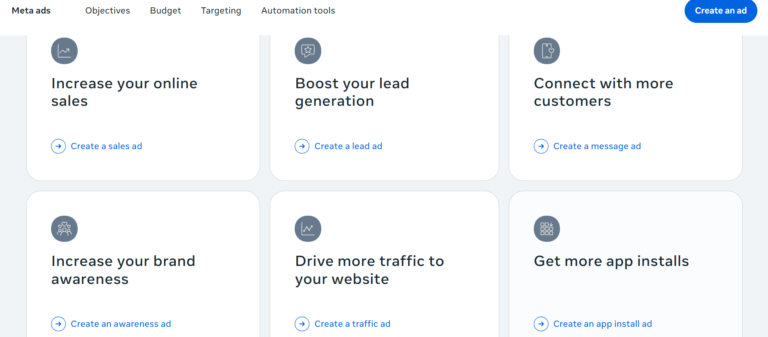
Organic marketing takes time, whereas paid advertising can help firms reach potential customers more quickly.
You can target people by interests, age, search habits, and location using platforms such as Google Ads and social media ads.
Start with a small budget and experiment with different ad types, while tracking key metrics such as clicks, sales, cost per lead, Before spending a large sum on advertising, you should first determine what kind of advertising works.rtMake a record of the results from your digital marketing.reOne of the main advantages of digital marketing is that it is easy to see how effective it is. You can easily see how well it works.
Important metrics include:
- Website traffic
- Search rankings
- Conversion rate
- Click-through rate
- Cost per acquisition
- Email open and click rates
- Social: Use these figures to determine what is working well and what needs improvement.Working well and what requires improvement.
For instance, if a blog post draws in a large number of visitors but yields only a small number of questions or contacts, you may need to strengthen the calls to action and the landing page.
Beginners often make the mistake of trying to do everything at once; instead, start with a clear plan.
The first step is to identify your target audience, set your marketing objectives, and then select two or three channels most likely to reach them.
Continue creating useful content, promote it, evaluate the results, and keep improving your strategy over time.
Digital marketing isn’t about getting quick results from every campaign; it’s about building visibility, trust, relationships, and sustainable growth.
Final Thoughts
At first, learning digital marketing may seem overwhelming, but there’s no need for you to become an expert in every strategy right away. Start with the basics: build a solid website, learn basic SEO, produce useful content, use social media strategically, build an email list, and track your results.
The most successful digital marketers always run tests, learn from them, and make adjustments; beginners can build the skills to attract more visitors, generate more leads, and build a successful online presence by starting small and sticking to their approach.