E-Bike vs. E-Scooter for Fitness: Calories, Effort, and Health Benefits

People often see electric bikes and electric scooters as convenient ways to commute, but they can also support an active lifestyle. If you are aiming to increase your physical activity, you might be asking which is better for a workout—riding an e-bike or an e-scooter.
The answer is by no means as simple as asserting that one is always better.
With an e-bike, you still need to pedal, even though the motor reduces the effort required. In contrast, an e-scooter carries out most of the work for you, so the physical demands are usually much lower when riding normally.
It doesn’t follow that the most effective form of exercise is the one that burns the most calories each minute; the activity you enjoy and can easily fit into your routine is likely to offer the best long-term results. Enjoyment for High-Intensity Interval Exercise Increases during the First Six Weeks of Training: Implications for Promoting Exercise Adherence in Sedentary Adults.
Then we should ask whether an e-bike or an e-scooter is more suitable for fitness in 2026; let’s look at calories, effort level, cardiovascular benefits, muscle engagement, and overall health.

Which offers more exercise, an e-bike or an e-scooter?
An e-bike usually has the advantage when it comes to physical activity. Physical activity when riding an electric-assisted bicycle. International Journal of Behavioral Nutrition and Physical Activity
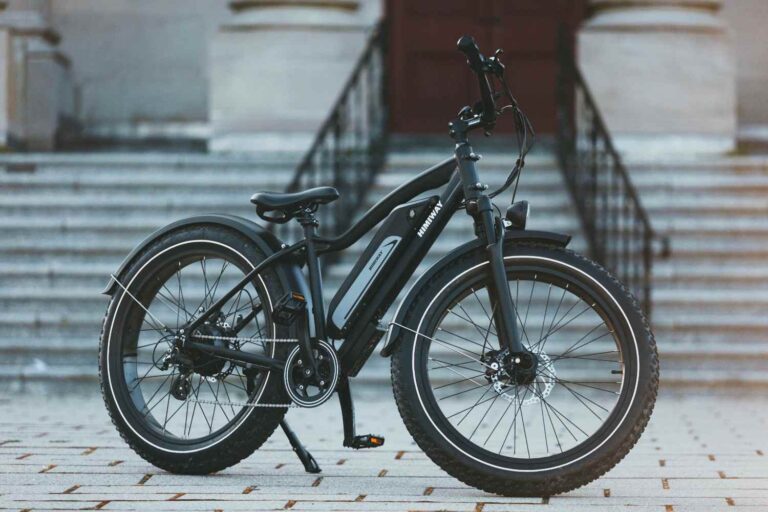
Pedaling works your leg muscles, and the effort you have to put in depends on the level of electric assistance. When you choose a lower level of assistance and pedal vigorously, riding an e-bike can become a worthwhile form of aerobic exercise.
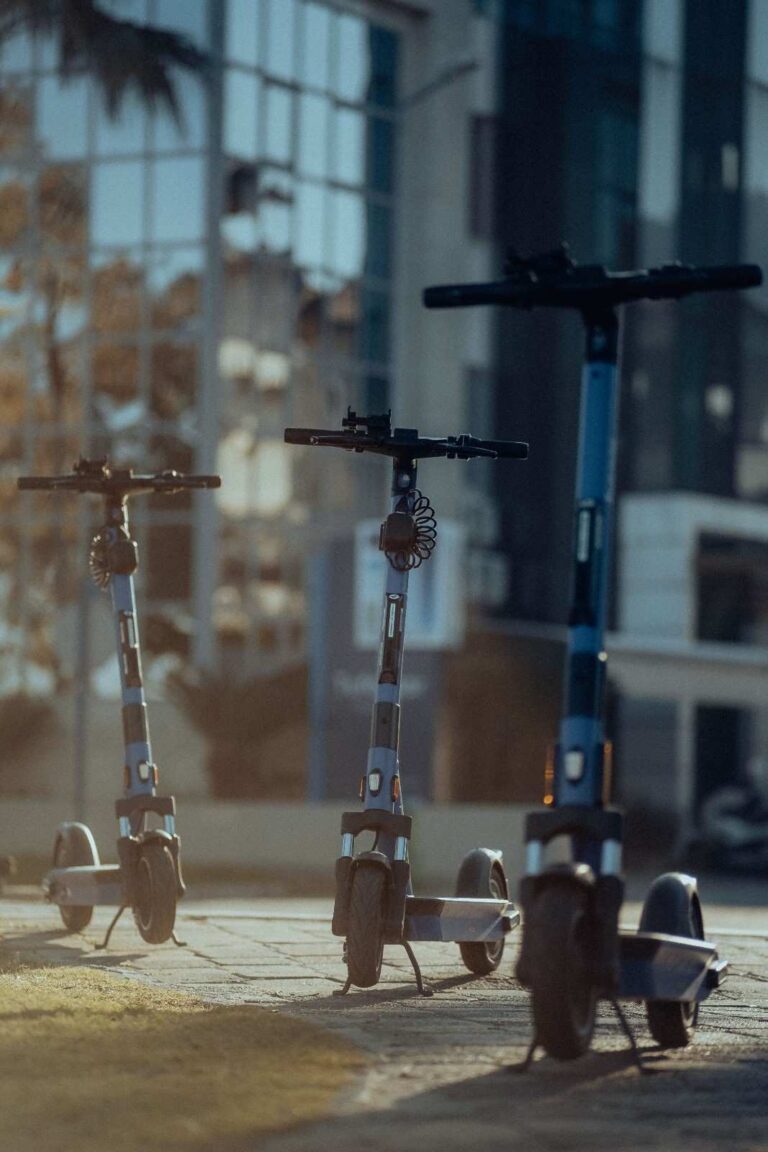
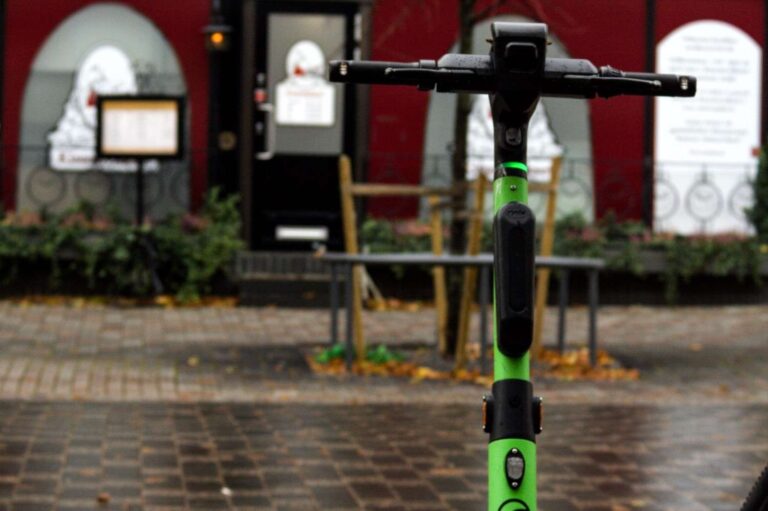
Operating an e-scooter requires far less physical effort than normal. All you have to do is stand on the deck, steer, and handle the controls, while the motor handles propulsion.
This doesn’t mean an e-scooter provides no physical benefits. Standing, balancing, steering, and controlling the scooter require some body movement and coordination. However, it generally doesn’t provide the same sustained lower-body exercise as active e-bike pedaling.
For someone specifically looking to increase physical activity, an e-bike is usually the better option.
Which Burns More Calories?
Calories burned during either activity can vary significantly.
Your weight, riding speed, terrain, ride duration, fitness level, wind conditions, and effort all affect how much you burn. With your use of motor assistance, you can make a big difference.
You will burn a great many more calories if you put in some effort with a low or moderate level of assistance than if you use the maximum level of assistance for the entire ride.
Since an e-scooter involves less physical effort, the number of calories burned is typically less than when riding an active e-bike. (Are e-scooters active transport?
For instance, when cycling on an e-bike with a lot of motor assistance, the ride may seem fairly easy, but one that goes faster with less assistance will require much more effort.
The key thing to note is that the number of calories burned during a session is not fixed. Fitness trackers and calorie calculators only give estimates, not precise figures.
Why E-Bikes Can Still Be Great for Fitness
Some people believe an e-bike isn’t useful because it has a motor.
That’s not necessarily true.
The motor doesn’t eliminate the need to pedal; it lets you choose how much assistance you want.
This means that e-bikes can be very useful for those who find ordinary cycling too difficult. You can begin with a higher level of assistance and then decrease it as your fitness increases.
E-bikes can also help people ride more often; a normal bicycle can seem intimidating when your commute involves steep hills or a long distance, whereas electric assistance makes those challenges easier to handle.
Regular physical exercise is important to keep your cardiovascular system in good condition, maintain healthy muscles and joints, support weight management, and promote good mental health.
That is, an e-bike can help make exercise more accessible and sustainable.
E-Scooters and Physical Activity
Even though e-scooters aren’t mainly designed to be exercise machines, they can still require a certain amount of physical activity.
To ride in a standing position, you need to maintain your balance and control your posture, and use your arms and upper body to steer and stabilize the scooter.
Yet those movements are generally not comparable to continuous cycling.
Choosing to use an e-scooter rather than driving a car means that you are still opting for an active method of transport which involves interacting with your environment and keeping control of the vehicle.
You may also gain greater fitness benefits indirectly, since an e-scooter can make it easier to travel short distances and may therefore reduce the time you spend sitting in a car.
However, if your main aim is to burn calories and enhance your cardiovascular fitness, an e-bike is generally the better option.
What is better for cardiovascular fitness?
When you’re pumping your legs on an e-bike, you have a clear advantage.
Cycling can raise your heart rate and provide aerobic exercise, especially when you cycle at a moderate speed or go up hills with reduced motor assistance. Do e-bikes count as exercise, or are they just a fun ride?
You can control the intensity of your workout by increasing your pedaling effort, decreasing motor assistance, riding faster, or choosing a route with more hills to make it more challenging.
E-scooters usually do not offer the same chance for continuous cardiovascular exercise.
Therefore, for anyone who wishes to improve their aerobic fitness, an e-bike is more useful.
Which Works More Muscles?
Cycling mainly involves the lower body. Muscle activation during cycling at different cadences: effect of maximal strength capacity.
The muscles in your quadriceps, hamstrings, calves, and glutes all play a part in the action of pedaling, and your core muscles also help to stabilize your body when you’re riding.
The more motor assistance you use, the less effort your legs have to make; the less assistance you use, the more effort your legs have to put in.
E-scooting uses fewer of the large muscle groups. Your legs keep you standing, while your core and arms help maintain balance and steer.
An e-bike shouldn’t replace proper strength training if you aim to build significant muscle, but it can support general physical activity and lower-body endurance.
Which Is Better for Weight Loss?
If weight loss is your goal, an e-bike generally offers greater potential for exercise-related calorie expenditure than an e-scooter.
However, weight management involves more than calories burned during exercise.
The most important factor is consistency. A person who rides an e-bike for 30 minutes every day may get more overall benefit than someone who owns a highly dema Since you don’t have to risk becoming completely exhausted before you get to your destination, an e-bike can make it easier to carry out ordinary activities. hausted before reaching your destination.
You can also adjust the assistance level depending on how you’re feeling.
If the day is easy, increase the help; if you want a workout, decrease the assistance and pedal more vigorously.
E-Bike Fitness Levels
A major benefit of an e-bike is its flexibility.
High Assistance
High assistance makes riding easier and reduces the physical effort required.
It’s useful if you are commuting, have just finished a tough workout, or are traveling over long distances.
Moderate Assistance
Moderate help balances exercise and convenience.
You need to keep pedaling continuously, but the motor provides assistance on hills or through tough sections.
Low Assistance
With low assistance, the e-bike becomes a far more demanding workout.
You’ll have to put in more power yourself, which means you’ll need to exert greater physical effort.
Because it is adjustable, e-bikes can be used by people of different fitness levels.
Regarding the use of e-scooters for active commuting?
An e-scooter could still be useful when your primary aim is to replace sedentary forms of transportation.
For instance, a person who usually drives a car for a short journey might decide to use an e-scooter. Even though the scooter does not offer a significant workout, it can change how the individual engages with transportation and lead to more outdoor activity.
You can combine riding your scooter with walking; for instance, you could ride the scooter for part of your trip and then walk the rest.
You can have a more active daily routine without needing a specific workout session.
Which Is Better for Your Health?
Both options can support a healthier lifestyle, but in different ways.
Since it involves pedaling, an e-bike offers a more direct form of physical activity. It can help improve cardiovascular fitness, build lower-body endurance, support weight management, and encourage you to stay physically active.
An e-scooter offers less exercise yet can still serve as a useful alternative to driving; its principal benefits are convenience, portability, and accessibility.
Physical activity does not need to be extremely intense to provide health benefits; what matters is staying consistently active and avoiding a lifestyle based on long periods of inactivity.
It is generally recommended that adults build up a weekly total of at least 150 minutes of moderate-intensity aerobic exercise, along with activities that build muscle at least two days a week. Adult Activity: An Overview
How to Get More Exercise From an E-Bike
If you already have an e-bike and want to use it for fitness, there are several simple ways to increase the exercise.
Reduce motor assistance: Lower assistance means you’ll need to pedal harder.
Choose longer routes: Adding distance can increase total activity.
Ride hills: Hills naturally increase effort and heart rate.
Increase your pace: A faster, controlled pace can make the ride more demanding.
Use the e-bike regularly: Consistency matters more than occasional extremely difficult rides.
You don’t need to turn every commute into an intense workout. Even moderate activity can contribute to your overall weekly movement.
Should we choose an e-bike or an e-scooter if the aim is to get fit?
When fitness is your top priority, the e-bike is by far the better choice.
The ability to pedal turns ordinary transportation into a chance for cardiovascular and lower-body exercise, and you can adjust the workout intensity by changing the motor assistance.
An electronic scooter is more appropriate for those who value convenience, portability, and easy transport rather than physical exercise.
That doesn’t mean e-scooters are a poor option; if they replace car trips and let you spend more time outdoors, they can still support an active lifestyle.
The best choice is the one you use consistently.
If you want to combine transportation with exercise, choose an e-bike and experiment with different assistance levels. If you mainly want an easy and convenient way to travel short distances, an e-scooter may be more appropriate.
Either way, replacing some car trips with active or semi-active transportation can be a practical step toward a healthier daily routine.